Welcome! This manual provides essential information for operating your 2014 Ford Focus‚ ensuring a safe and enjoyable driving experience. Understanding its features‚ controls‚ and maintenance is crucial for optimal performance and longevity‚ as highlighted by various Ford owner experiences shared online.
Vehicle Identification
Locating Your Vehicle Identification Number (VIN) is a critical first step. The VIN is a unique 17-character code that identifies your specific 2014 Ford Focus. You’ll find it on the driver’s side dashboard‚ visible through the windshield. It’s also located on the driver’s side doorjamb sticker and your vehicle registration documents.

Understanding the VIN allows you to access important vehicle information‚ including its manufacturing date‚ engine type‚ and original equipment. Ford uses the VIN to track recalls and service history. Keep a record of your VIN for quick reference when contacting dealerships or roadside assistance.
Vehicle Certification Label‚ typically found on the driver’s side doorjamb‚ provides details about the vehicle’s original specifications and compliance with safety standards. This label complements the VIN information and is useful for insurance purposes and verifying vehicle features. Accurate vehicle identification ensures you receive the correct parts and service when needed.
Understanding the Manual
This Owner’s Manual is your comprehensive guide to the 2014 Ford Focus. It’s designed to help you understand all aspects of your vehicle‚ from basic operation to advanced features. Take the time to read it thoroughly – it’s an investment in your safety and the longevity of your car.
Sections are organized logically‚ covering topics like vehicle identification‚ operation‚ maintenance‚ and troubleshooting. Pay close attention to the safety warnings and cautions highlighted throughout the manual. These are crucial for preventing accidents and ensuring proper vehicle function.
Familiarize yourself with the index to quickly locate specific information. The manual also includes detailed diagrams and illustrations to aid understanding. Keep this manual readily accessible in your vehicle for future reference. Online resources and Ford’s customer support can supplement the information provided within these pages;
Vehicle Features & Controls
Explore the capabilities of your 2014 Ford Focus! This section details everything from dashboard indicators and steering wheel functions to climate and audio system operations for optimal control.
Dashboard Indicators & Warnings
Understanding the symbols illuminating your 2014 Ford Focus’s dashboard is paramount for safe operation. These indicators provide crucial information about your vehicle’s status‚ alerting you to potential issues requiring immediate attention. Ignoring these warnings could lead to more significant problems or even compromise safety.
Key indicators include: the check engine light (signaling engine malfunctions)‚ the oil pressure warning (indicating low oil levels)‚ the battery warning light (suggesting charging system issues)‚ and the brake warning light (highlighting brake system problems or parking brake engagement). Additionally‚ pay close attention to the airbag warning light‚ tire pressure monitoring system (TPMS) indicator‚ and various other symbols related to fluid levels and system functionality.
Refer to the comprehensive diagram in your owner’s manual for a detailed explanation of each indicator. The manual clarifies the difference between critical warnings demanding immediate action and informational lights that simply provide status updates. Regularly monitoring these indicators and addressing any concerns promptly will contribute to the longevity and reliable performance of your Ford Focus.
Instrument Cluster Overview
The instrument cluster serves as your primary source of information while operating your 2014 Ford Focus. It’s centrally located for easy visibility and displays vital vehicle data. Familiarizing yourself with its components is essential for safe and informed driving.
Key elements include: the speedometer (indicating vehicle speed)‚ the tachometer (displaying engine RPM)‚ the fuel gauge (showing remaining fuel level)‚ and the temperature gauge (monitoring engine coolant temperature). A multi-information display‚ often positioned between the gauges‚ provides access to trip data‚ average fuel economy‚ and various system settings.
Digital displays may also show gear position (for automatic transmissions)‚ odometer readings‚ and warning messages. Illumination controls allow you to adjust the brightness of the cluster for optimal visibility in different lighting conditions. Consult your owner’s manual for a detailed diagram and explanation of each display element and its functionality‚ ensuring you can quickly interpret critical vehicle information.
Steering Wheel Controls
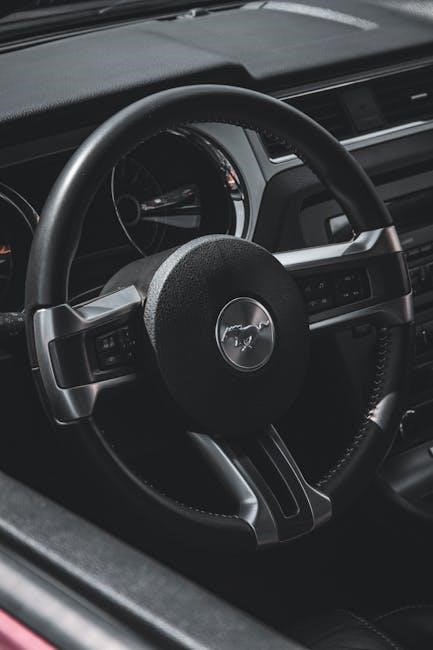
Your 2014 Ford Focus features integrated controls on the steering wheel‚ designed to enhance convenience and safety by allowing you to manage various functions without removing your hands from the wheel. These controls typically include audio system adjustments – volume‚ track selection‚ and radio station tuning.
Cruise control operation is also commonly managed via steering wheel buttons‚ enabling you to maintain a set speed on highways. Many models incorporate controls for hands-free phone operation‚ allowing you to answer and end calls‚ as well as adjust the volume. Voice command activation‚ if equipped‚ is often accessible through a dedicated button.
The multi-function display can often be navigated using directional buttons on the steering wheel‚ allowing you to view trip information‚ adjust vehicle settings‚ and access other features. Refer to your owner’s manual for a specific layout and detailed explanation of each control’s function‚ maximizing your driving experience.
Climate Control System
The 2014 Ford Focus climate control system is designed to provide comfortable cabin temperatures for both driver and passengers. Manual systems utilize rotary dials to adjust temperature and fan speed‚ while higher trim levels may feature automatic climate control. Automatic systems maintain a set temperature automatically‚ adjusting fan speed and air distribution as needed.
Key controls include temperature adjustment‚ fan speed selection‚ air distribution mode (vent‚ floor‚ defrost)‚ and air conditioning activation. The recirculation button allows you to recirculate cabin air‚ useful for quickly cooling or warming the interior‚ or blocking outside odors. Defrost settings direct airflow to the windshield to clear fog or ice.
Proper usage ensures efficient operation and prevents strain on the system. Regularly check and replace the cabin air filter to maintain air quality. Refer to your owner’s manual for specific details regarding your vehicle’s climate control features and optimal settings for various conditions.
Audio System & Connectivity
Your 2014 Ford Focus audio system offers a range of entertainment options. Base models typically include an AM/FM radio with a CD player and auxiliary input. Higher trims feature the SYNC system‚ providing Bluetooth connectivity for hands-free calling and audio streaming. SYNC also enables voice control for music selection and other functions;
Controls generally include a volume knob‚ tuning buttons‚ source selection buttons (AM/FM‚ CD‚ AUX‚ Bluetooth)‚ and preset buttons for radio stations. The SYNC system utilizes a touchscreen display and voice commands. USB ports allow for connecting and charging mobile devices‚ and playing digital music files.
Connectivity features like Bluetooth pairing are detailed in the owner’s manual. Ensure safe operation by minimizing distractions while using the audio system or connectivity features while driving. Regularly update SYNC software for optimal performance and access to new features.
Power Windows & Locks
Your 2014 Ford Focus is equipped with power windows and door locks for convenience and security. Each door features individual window switches located on the armrest. A master power window switch‚ typically found on the driver’s door‚ controls all windows. Pressing the window switch fully lowers or raises the window; a momentary press operates it incrementally.
Power door locks are controlled by switches on each door and a central locking switch‚ usually located on the driver’s door. The remote keyless entry system also operates the door locks. An auto-lock feature may be enabled‚ automatically locking the doors after a set period of time.
Child safety locks on the rear doors prevent the rear windows from being opened from the inside. Familiarize yourself with the location and operation of all power window and lock controls for safe and efficient use. Refer to the owner’s manual for specific details regarding your vehicle’s configuration.
Seating Adjustments & Features
Your 2014 Ford Focus offers adjustable seating to ensure driver and passenger comfort. The driver’s seat typically features manual or power adjustments for fore/aft position‚ seat height‚ and backrest angle. Some models may include power lumbar support for enhanced lower back comfort.
Front passenger seats generally offer manual adjustments for fore/aft position and backrest angle. Head restraints are adjustable for height and tilt‚ providing optimal neck support. Rear seats may feature a 60/40 split-folding design‚ allowing for versatile cargo space.
To adjust the seats‚ locate the adjustment levers or switches. Ensure the seat is locked securely in place after adjustment. Proper seating position is crucial for safe driving and minimizing fatigue. Consult the owner’s manual for detailed instructions specific to your vehicle’s seating configuration and features.

Driving Your 2014 Ford Focus
Before driving‚ familiarize yourself with the vehicle’s controls and safety features. This section details starting‚ stopping‚ transmission operation‚ and maximizing fuel efficiency for a smooth ride.
Starting & Stopping the Engine
Starting your 2014 Ford Focus is straightforward. Ensure the parking brake is engaged‚ and your foot is firmly on the brake pedal. Insert the key into the ignition or‚ if equipped‚ press the start button while depressing the brake. The engine will crank and start. Allow a few moments for the engine to reach optimal operating temperature before driving.
To stop the engine‚ gently apply the brakes to bring the vehicle to a complete stop. Shift the transmission into Park (P) for automatic transmissions or Neutral (N) for manual transmissions. Engage the parking brake. Turn the key to the OFF position or press the start/stop button. Remove the key from the ignition (if applicable).
Important Reminders: Never start or stop the engine while the vehicle is in motion. Always ensure the parking brake is engaged when parking. Avoid prolonged idling‚ as it can reduce fuel efficiency and increase emissions. Refer to the full owner’s manual for detailed instructions and safety precautions regarding engine operation.
Automatic Transmission Operation
Your 2014 Ford Focus’s automatic transmission offers smooth and convenient gear changes. The gear selector is typically located on the steering column or center console‚ featuring positions like Park (P)‚ Reverse (R)‚ Neutral (N)‚ Drive (D)‚ and often‚ a lower gear selection (L or 1/2/3).
To drive‚ select ‘D’ for normal driving conditions. The transmission automatically shifts through the gears. For increased engine braking or climbing steep hills‚ use the lower gear selections. ‘L’ or numbered gears provide more control. Always come to a complete stop before shifting between gears.
Kick-down functionality allows for quick acceleration by fully depressing the accelerator pedal; the transmission will downshift for increased power. Avoid excessive kick-down as it can reduce fuel economy. Regular transmission fluid checks‚ as outlined in the maintenance schedule‚ are vital for optimal performance and longevity. Consult the owner’s manual for specific fluid requirements.
Manual Transmission Operation (If Applicable)
If your 2014 Ford Focus is equipped with a manual transmission‚ mastering its operation ensures a connected and engaging driving experience. The gearshift lever follows a typical H-pattern‚ with gears arranged for smooth transitions. Depress the clutch pedal fully before selecting any gear.
Starting from a stop‚ engage first gear and slowly release the clutch while gently applying the accelerator. Coordinate these actions to avoid stalling. Shift to higher gears as speed increases‚ matching engine RPM to vehicle speed. Downshift before slowing down or climbing hills to maintain power.
Smooth shifting requires practice and coordination. Avoid abrupt clutch engagement or gear changes. Regular checks of clutch fluid levels are recommended. Remember to fully depress the clutch pedal for all gear changes to prevent wear and tear on the transmission components. Proper technique extends the life of your clutch and transmission.
Driving Modes (If Equipped)
Certain 2014 Ford Focus models may feature selectable driving modes‚ enhancing versatility and adapting to various conditions. These modes‚ typically accessed via a switch or the vehicle’s information display‚ alter throttle response‚ steering feel‚ and transmission shift points.
Normal mode provides a balanced driving experience for everyday commuting. Sport mode sharpens throttle response and steering‚ delivering a more dynamic feel for spirited driving. Comfort mode prioritizes a smoother ride‚ softening suspension and reducing harshness.
If equipped with a ‘Snow/Ice’ mode‚ it optimizes traction control and adjusts throttle sensitivity for slippery surfaces. Always consult the instrument panel display for the currently selected mode. Understanding each mode’s characteristics allows you to tailor the driving experience to your preferences and road conditions‚ maximizing control and safety.
Fuel Economy Tips
Maximizing fuel efficiency in your 2014 Ford Focus is achievable through mindful driving habits and vehicle maintenance. Avoid aggressive acceleration and braking; maintaining a steady speed significantly improves gas mileage. Proper tire inflation is crucial – check the sticker on the driver’s side doorjamb for recommended pressure.
Reduce unnecessary weight by removing items from the trunk. Minimize idling; if stopped for more than a minute‚ turn off the engine. Utilize cruise control on highways for consistent speed. Regularly scheduled maintenance‚ including air filter replacements and oil changes‚ ensures optimal engine performance.
Consider using the recommended grade of fuel specified in this manual. Anticipating traffic flow and coasting when possible also contributes to fuel savings. By implementing these simple strategies‚ you can significantly enhance your 2014 Ford Focus’s fuel economy.

Maintenance & Care
Regular maintenance is vital for your 2014 Ford Focus’s reliability and longevity. Following the scheduled maintenance plan‚ detailed within this manual‚ ensures optimal performance and prevents costly repairs.
Scheduled Maintenance

Maintaining your 2014 Ford Focus according to the recommended schedule is crucial for its longevity and performance. This schedule‚ detailed in the service intervals section of your owner’s manual‚ outlines necessary inspections‚ fluid changes‚ and component replacements.
Key maintenance items include regular oil and filter changes – typically every 7‚500 to 10‚000 miles depending on driving conditions – and tire rotations to ensure even wear. Coolant levels‚ brake fluid‚ and transmission fluid should be checked and replaced as needed.
Furthermore‚ the timing belt (if equipped – check your engine type) requires periodic replacement to prevent catastrophic engine damage. Spark plugs‚ air filters‚ and cabin air filters also have specific replacement intervals. Adhering to these guidelines‚ as discussed in online Ford owner forums‚ will help prevent unexpected breakdowns and maintain your vehicle’s value. Keep detailed records of all maintenance performed.
Oil Change Procedures
Regular oil changes are vital for your 2014 Ford Focus’s engine health. Consult your owner’s manual for the recommended oil type (typically 5W-20 or 5W-30‚ depending on climate) and filter specification. Always warm up the engine slightly before draining the old oil for easier flow.
Locate the oil drain plug underneath the engine and carefully remove it‚ allowing the oil to drain completely into a suitable container. Replace the drain plug with a new crush washer‚ tightening to the specified torque. Next‚ remove the old oil filter using an oil filter wrench and lubricate the gasket of the new filter with fresh oil before installing it hand-tight.
Finally‚ add the correct amount of new oil (refer to your manual) and check the oil level using the dipstick. Properly dispose of the used oil and filter at a designated recycling center. Following these steps‚ as often discussed in online Ford communities‚ ensures optimal engine lubrication and performance.
Tire Pressure Monitoring System (TPMS)
Your 2014 Ford Focus is equipped with a Tire Pressure Monitoring System (TPMS) designed to alert you when tire pressure is significantly low. Maintaining correct tire pressure improves fuel efficiency‚ handling‚ and tire life. The recommended tire pressure for your vehicle can be found on a sticker located on the driver’s side doorjamb.

The TPMS light on the instrument cluster will illuminate if one or more tires are underinflated. After inflating tires to the correct pressure‚ you may need to drive a short distance to allow the system to recalibrate. Some models require a TPMS reset procedure‚ detailed in your owner’s manual.
Remember that TPMS monitors pressure‚ not tire wear. Regularly inspect your tires for damage and wear‚ regardless of the TPMS indicator. Online Ford Focus forums frequently discuss TPMS issues and reset procedures‚ offering valuable user insights.
Windshield Wiper & Washer Fluid
Maintaining a clear windshield is crucial for safe driving. Your 2014 Ford Focus features adjustable windshield wipers with various speed settings‚ controlled by a stalk on the steering column. Familiarize yourself with these settings for optimal visibility in different weather conditions.
The windshield washer fluid reservoir provides fluid to clear dirt and debris. Regularly check the fluid level and replenish with a suitable windshield washer fluid – avoid using plain water‚ especially in freezing temperatures. The washer fluid cap is typically located under the hood.

If your wipers are streaking or not clearing the windshield effectively‚ consider replacing the wiper blades. Online Ford Focus communities often share recommendations for quality replacement blades. Ensure proper blade installation for optimal performance and avoid damage to the windshield.
Battery Maintenance & Jump Starting
Your 2014 Ford Focus relies on a 12-volt battery for starting and powering electrical components. Regularly inspect the battery terminals for corrosion and clean them with a wire brush if necessary. Ensure the battery is securely mounted to prevent movement and potential damage.
If your battery becomes discharged‚ you may need to jump-start your vehicle. Always follow the correct jump-starting procedure to avoid damaging the electrical system. Connect the jumper cables in the proper sequence: positive (+) to positive (+) and negative (-) to a grounded metal surface on the disabled vehicle‚ not directly to the negative terminal.
Prolonged battery inactivity can lead to discharge. If storing your Focus for an extended period‚ consider using a battery tender or disconnecting the negative battery cable. Online Ford forums often discuss battery life and maintenance tips specific to the 2014 Focus model.

Troubleshooting & Emergency Assistance
Facing issues? This section details common warning lights‚ emergency procedures‚ roadside assistance contacts‚ and fuse box diagrams for your 2014 Ford Focus‚ ensuring preparedness.
Common Warning Lights & Their Meanings
Understanding your dashboard is key to safe driving. Several warning lights illuminate to alert you to potential issues with your 2014 Ford Focus. The Check Engine light indicates a problem with the engine or emissions system – immediate attention may be needed. A solid ABS light signals an issue with the anti-lock braking system‚ potentially affecting braking performance.
The Brake System warning light (often red) indicates low brake fluid or a problem within the braking system; address this immediately. A flashing Low Tire Pressure light means one or more tires are significantly underinflated. The Battery light suggests a charging system malfunction. An illuminated Oil Pressure light requires you to stop the vehicle promptly to avoid engine damage.
Other lights include the Airbag warning (indicating a system fault)‚ Traction Control (flashing during activation‚ solid indicates a problem)‚ and various indicator lights for features like headlights and turn signals. Consult your owner’s manual for a comprehensive list and specific actions to take when each light appears. Ignoring warning lights can lead to more serious and costly repairs.
What to Do in an Emergency
Staying calm is paramount in an emergency. If your 2014 Ford Focus experiences a mechanical failure‚ safely pull over to the side of the road‚ away from traffic. Activate your hazard lights to alert other drivers. If possible‚ position the vehicle on a level surface.
In the event of an accident‚ check for injuries to yourself and passengers. If safe‚ move the vehicle to a secure location. Exchange information with other involved parties – insurance details‚ driver’s licenses‚ and vehicle registration. Do not admit fault.
If you experience a tire blowout‚ grip the steering wheel firmly and gradually slow down; avoid sudden braking. If the engine catches fire‚ evacuate the vehicle immediately and move a safe distance away. Call emergency services (911) for assistance. Keep a roadside emergency kit in your vehicle‚ including a first-aid kit‚ flares‚ and a flashlight. Familiarize yourself with the location of your spare tire and jack.
Roadside Assistance Information
Ford Motor Company offers comprehensive roadside assistance to owners of your 2014 Ford Focus. This service provides coverage for situations like flat tires‚ jump starts‚ fuel delivery (if you run out of gas)‚ towing‚ and lockout assistance. To access these benefits‚ you can contact the Ford Roadside Assistance hotline at 1-800-241-3673. Have your Vehicle Identification Number (VIN) readily available when you call.
Coverage terms and conditions may vary depending on your vehicle’s warranty status and the specific roadside assistance plan you have. Some services may be limited to a certain distance or require a service fee. It’s advisable to review your owner’s manual or visit the official Ford website for detailed information regarding your coverage.
Alternatively‚ if you have a separate roadside assistance membership through your insurance provider or a third-party service like AAA‚ you can utilize their services as well. Keep the contact information for these providers readily accessible in your vehicle.
Fuse Box Locations & Diagram
Your 2014 Ford Focus has at least two fuse box locations: one located in the passenger compartment‚ typically under the dashboard on the driver’s side‚ and another in the engine compartment. The passenger compartment fuse box handles interior accessories like power windows‚ the radio‚ and interior lights. The engine compartment fuse box protects components like the fuel pump‚ headlights‚ and other engine-related systems.
Accessing the fuse boxes usually involves removing a cover panel. The owner’s manual contains detailed diagrams illustrating the location of each fuse and its corresponding amperage rating. Always consult the diagram before replacing a fuse. Using the incorrect amperage fuse can cause damage to the electrical system.
If you experience an electrical issue‚ checking the relevant fuse is a good first step. A blown fuse is often indicated by a broken filament inside the fuse. Replace blown fuses with fuses of the exact same amperage. If a fuse blows repeatedly‚ it indicates a more serious underlying problem that requires professional attention.