Understanding Leotard Sizing: A Comprehensive Guide (Updated 02/01/2026)
Leotards, similar to bodysuits, are essential for gymnastics, dance, and more, often featuring back zippers or keyholes.
Finding the right fit ensures comfort and performance, with options ranging from high-cut legs to various sleeve lengths.
What is a Leotard?
A leotard is a close-fitting, one-piece garment that covers the torso, and sometimes the legs and feet, much like a bodysuit. Historically worn by acrobats and circus performers – named after Jules Léotard, a French aerialist – it has become a staple in athletic disciplines like gymnastics, dance (particularly ballet), and even figure skating.
Modern leotards come in a vast array of styles, fabrics, and designs. They can feature long, short, or no sleeves, varying leg cuts (including high-cut for greater range of motion), and different back styles, such as traditional, racerback, or those with zippers or keyhole openings.
Beyond athletic use, leotards are also worn as fashion pieces, often paired with skirts, shorts, or leggings. The garment’s snug fit allows for a streamlined silhouette and unrestricted movement, making it ideal for activities requiring flexibility and agility. Choosing the correct size is crucial for both comfort and performance.
Leotard Styles and Variations
Leotard styles are incredibly diverse, catering to different preferences and athletic needs. Variations include sleeveless, short-sleeve, and long-sleeve designs, offering varying levels of coverage and warmth. Leg cuts range from classic full coverage to high-cut styles, maximizing leg extension and flexibility – crucial for gymnasts and dancers.
Back designs also vary significantly. Traditional backs offer full coverage, while racerbacks provide greater shoulder freedom. Leotards with zippers or keyhole openings allow for easier dressing and ventilation. Fabrics play a role too, with options like cotton for comfort, nylon/spandex for performance, and Lycra/Econyl for advanced features.
Furthermore, embellishments like mesh inserts, lace detailing, and crystal motifs add aesthetic appeal. Whether seeking a minimalist black leotard or a vibrant, patterned design, the options are extensive, ensuring a perfect fit for every individual and activity.
Why Accurate Leotard Sizing Matters
Precise leotard sizing is paramount for both comfort and performance; An ill-fitting leotard can restrict movement, causing discomfort and hindering athletic ability. A leotard that’s too tight can constrict breathing and chafe, while one that’s too loose can bunch up and become distracting during activity.
For gymnasts and dancers, a secure fit is essential for executing complex movements safely and effectively. Proper sizing ensures the leotard stays in place, preventing wardrobe malfunctions and allowing for a full range of motion. Beyond functionality, a well-fitted leotard enhances confidence and allows the performer to focus on their craft.
Investing time in accurate measurements and understanding size charts is crucial. Considering fabric stretch and brand-specific variations further contributes to finding the ideal leotard, maximizing both enjoyment and performance.

Standard Leotard Size Charts
Leotard sizing typically relies on age, height, weight, and key body measurements like bust and torso length, though variations exist between brands and styles.
Age-Based Sizing (Children’s Leotards)
For children’s leotards, sizing often begins with age ranges, such as 2-4 years, 6-8 years, and so on, providing a quick initial estimate. However, it’s crucial to remember that children of the same age can vary significantly in height and build. Therefore, age-based charts should be considered a starting point, not a definitive guide.
Manufacturers frequently correlate age with approximate height and weight ranges. For instance, a size 6-8 leotard might be suggested for a child between 48-52 inches tall and weighing 45-55 pounds. Always cross-reference with height and weight charts for a more accurate assessment. It’s also beneficial to consider the child’s body type – a particularly slender or robust child may require a size adjustment.
When purchasing online, carefully review the specific brand’s age-based size chart, as these can differ. Prioritize checking the measurements rather than solely relying on the age recommendation to avoid potential sizing issues and ensure a comfortable, well-fitting leotard for your child.
Height and Weight Based Sizing
Height and weight charts offer a more precise approach to leotard sizing compared to age-based guides, especially as bodies vary greatly within age groups. These charts typically categorize sizes based on ranges for both measurements, providing a clearer indication of the appropriate fit. For example, a size small might be recommended for individuals between 5’2” and 5’5” and weighing 110-130 pounds.
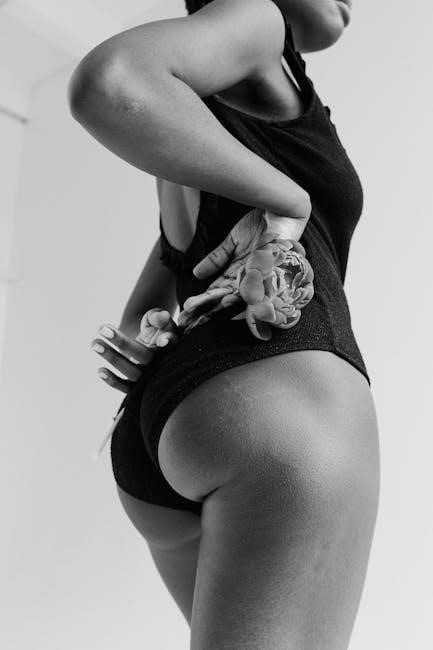
However, body composition plays a significant role. Muscle mass versus body fat can influence how a leotard fits, even if height and weight align with a specific size. Individuals with a more athletic build might prefer a snugger fit, potentially sizing down, while others may prefer a looser fit, opting for a larger size.
Always consult the specific brand’s height and weight chart, as variations exist. Combining this method with bust and torso measurements (discussed later) provides the most accurate sizing assessment, ensuring a comfortable and flattering leotard fit.
Bust and Torso Measurements
Precise bust and torso measurements are crucial for achieving an optimal leotard fit, particularly for styles with varying necklines and back designs. To measure bust, wear a non-padded bra and measure around the fullest part of your chest, keeping the tape measure level. For torso length, measure from the center of your shoulder, down the front, through the crotch, and back up to the same point on your shoulder.

These measurements are especially important when considering leotards with intricate detailing or supportive features. A well-fitted bust ensures comfort and security during movement, while accurate torso length prevents pulling or bunching.
Compare your measurements to the brand’s specific size chart, noting any differences. Remember that leotard fabrics stretch, so a slightly snug fit is often preferable to a loose one. Combining these measurements with height and weight data provides the most reliable sizing guide.

Taking Accurate Measurements
Accurate measurements – bust, torso, waist, and hips – are fundamental for selecting the correct leotard size, ensuring both comfort and unrestricted movement during activity.
How to Measure Bust
Measuring your bust accurately is crucial for a well-fitting leotard. Begin by wearing a non-padded bra that closely resembles what you’d wear during training or competition. Stand naturally with your arms relaxed at your sides.
Using a flexible measuring tape, wrap it around the fullest part of your bust, ensuring the tape is level all the way around your back. Don’t pull the tape too tightly; it should be snug but comfortable.
Take the measurement in inches or centimeters, depending on the size chart you are referencing. It’s helpful to have someone assist you to ensure an accurate reading. Remember to exhale normally while being measured, as this can affect the result. Note the measurement and compare it to the brand’s specific size chart for the most accurate leotard size.
How to Measure Torso Length
Determining your torso length is vital for leotard fit, especially for styles with varying coverage. To begin, stand straight with your feet shoulder-width apart. Locate your center back – typically the most prominent vertebra at the base of your neck.
Using a flexible measuring tape, measure from this center back point, down along your spine, to the crotch. It’s best to have assistance for this measurement to ensure accuracy. The tape should follow the natural curve of your back.
Maintain a relaxed posture and avoid arching your back during the measurement. Record the measurement in inches or centimeters. Compare this torso length to the brand’s size chart, as it significantly impacts leotard comfort and prevents pulling or sagging.
How to Measure Waist and Hips
Accurate waist and hip measurements are crucial for a well-fitting leotard, influencing both comfort and aesthetic appeal. Begin by measuring your waist. Stand naturally and locate your natural waistline – typically the narrowest part of your torso.
Wrap a flexible measuring tape around your waist, ensuring it’s snug but not constricting. Exhale normally and record the measurement. Next, measure your hips. Stand with your feet together and measure around the fullest part of your hips and buttocks.
Keep the tape level and parallel to the floor. Again, ensure the tape is snug but comfortable. Compare these measurements to the specific brand’s size chart, as waist and hip sizing can vary considerably between manufacturers.

Leotard Fabrics and Their Impact on Fit
Leotard fabrics—cotton, nylon/spandex, and Lycra/Econyl—offer varying levels of stretch, comfort, and durability, directly impacting the fit and feel of the garment.
Cotton Leotards: Stretch and Comfort
Cotton leotards are celebrated for their exceptional softness and breathability, making them a popular choice for beginner dancers and gymnasts, or for comfortable practice sessions. While offering a pleasant feel against the skin, cotton generally possesses less stretch compared to synthetic materials like nylon or spandex.
This reduced elasticity means that a precise fit is crucial; a cotton leotard that is too tight can restrict movement, while one that is too loose may not provide adequate support. When sizing a cotton leotard, consider that it may shrink slightly after washing, so opting for a size that allows for a comfortable, yet snug, fit is advisable.
Due to its natural fibers, cotton tends to hold moisture, which can be a factor during intense activity. Therefore, cotton leotards are often best suited for lower-impact activities or shorter durations of wear. They are a fantastic entry point into leotard wear, prioritizing comfort and a classic aesthetic.
Nylon/Spandex Leotards: Performance and Durability
Nylon/Spandex leotards represent a significant step up in performance fabrics, favored by gymnasts and dancers requiring a full range of motion. The blend of nylon provides excellent durability and resistance to abrasion, while spandex (also known as Lycra or elastane) delivers exceptional stretch and recovery.
This combination allows for a close, supportive fit that moves with the body, not against it. When selecting a nylon/spandex leotard, focus on achieving a snug, second-skin feel. These fabrics generally maintain their shape well, but it’s still important to consult the brand’s specific size chart.
Nylon/Spandex also offers better moisture-wicking properties than cotton, keeping the wearer cooler and drier during activity. They are a versatile choice, suitable for both training and competition, offering a balance of comfort, support, and longevity.
Lycra/Econyl Leotards: Advanced Features
Lycra/Econyl leotards represent the pinnacle of leotard fabric technology, offering superior performance and sustainability. Econyl is a regenerated nylon made from rescued ocean plastics and textile waste, providing an eco-conscious option without sacrificing quality. Combined with Lycra, these leotards deliver exceptional stretch, shape retention, and a luxurious feel.
These advanced fabrics are incredibly soft, lightweight, and breathable, enhancing comfort during intense activity. They offer a compressive fit that supports muscles and improves circulation. When sizing Lycra/Econyl leotards, a precise fit is crucial to maximize their benefits; consult detailed brand charts.
Look for features like crystal embellishments or unique designs, often found in competition leotards. These materials are highly durable and resistant to fading, ensuring a long-lasting investment.
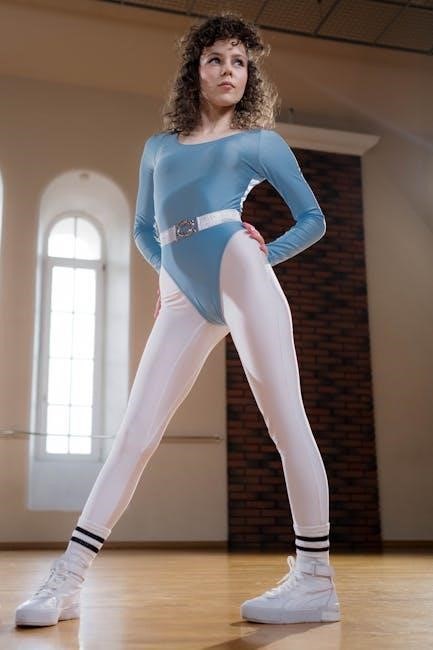
Specific Leotard Features & Sizing Considerations
Leotard features, like zippers, keyholes, or leg cut, impact fit; high-cut legs prioritize range of motion, while sleeve length affects coverage and style.
Leotards with Zippers or Keyhole Backs
Leotards featuring zippers or keyhole backs require careful sizing consideration due to their unique closure mechanisms. A zipper at the back of the neck necessitates a snug, yet comfortable, fit to prevent slippage during movement. Ensure the zipper lies flat against the back without pulling or bunching, indicating the correct size.
Keyhole backs, offering a more open design, also demand attention to fit. The keyhole should allow for a full range of motion without revealing more than intended. When trying on a leotard with a keyhole, perform arm movements to assess the coverage and comfort.
Generally, if you’re between sizes, it’s often recommended to size up, especially with zippered leotards, to ensure ease of closure and prevent strain on the fabric. Always consult the specific brand’s size chart, as these features can influence their sizing recommendations.
High-Cut Leg Leotards: Range of Motion
High-cut leg leotards are designed to maximize a gymnast or dancer’s range of motion, extending higher on the leg. Accurate sizing is crucial for these styles, as a poor fit can restrict movement and impact performance. The leotard should feel secure during leg swings and extensions, without binding or riding up.
When measuring for a high-cut leotard, pay close attention to hip measurements, as this area determines the leg opening’s fit. A snug, but not constricting, fit around the hips ensures the leotard stays in place during dynamic movements. The step area is often lined for comfort and modesty.
Consider the activity level; more intense routines may benefit from a slightly more fitted leotard. Always refer to the brand’s specific size chart, as high-cut designs can vary significantly between manufacturers.
Sleeveless, Short Sleeve, and Long Sleeve Leotards
Leotard sleeve length impacts both aesthetics and functionality, influencing sizing considerations. Sleeveless leotards offer maximum arm freedom, ideal for gymnastics, while short sleeves provide a bit more coverage and warmth. Long sleeves are often preferred for dance or cooler training environments.
When sizing leotards with sleeves, shoulder and armhole measurements become important. A snug armhole prevents slippage during movement, but shouldn’t restrict circulation. For long-sleeved leotards, ensure the sleeve length is appropriate for the wearer’s arm length, avoiding excessive bunching or shortness.
Fabric stretch also plays a role; more elastic fabrics allow for a wider range of comfortable fits. Always consult the brand’s size chart, noting any specific recommendations for sleeved styles, as sleeve dimensions can vary.

Brand-Specific Sizing Differences
Leotard sizing varies significantly between manufacturers; always prioritize checking individual brand charts and reading customer reviews for accurate fit information and guidance.
Understanding Size Variations Between Manufacturers
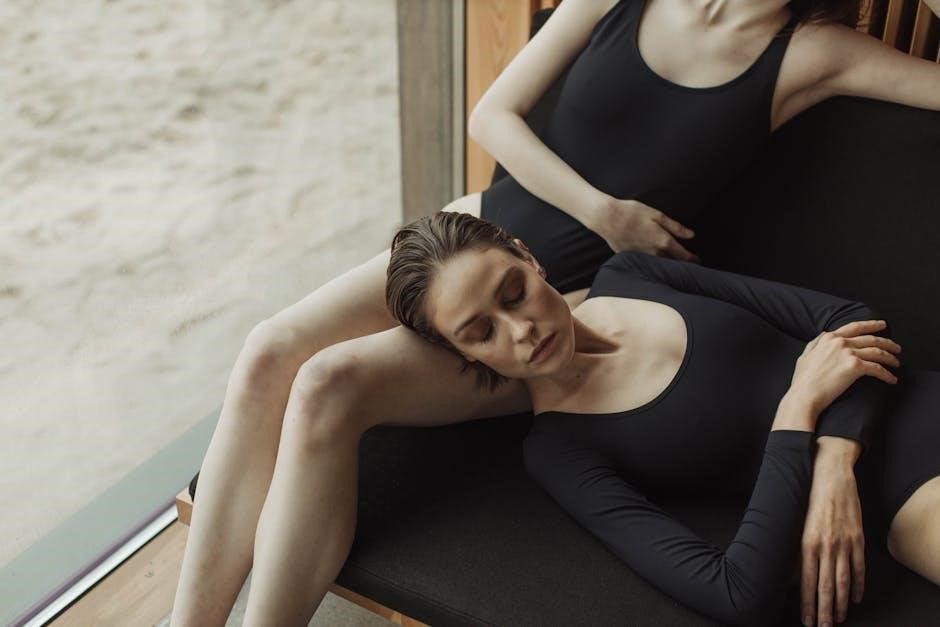
Navigating leotard sizing can be tricky due to inconsistencies between brands. What you consider a size medium in one company might fit completely differently in another. This stems from variations in their pattern making, fabric choices, and intended fit – some brands prioritize a snug, performance-focused fit, while others lean towards a more relaxed, comfortable feel.
Therefore, relying solely on your usual size is often insufficient. It’s crucial to abandon the assumption of standardized sizing and treat each brand as unique. A leotard from “The Zone,” for example, might run smaller than one from “tanzmuster,” even if both are labeled as a size 10. These differences necessitate a careful review of each manufacturer’s specific size chart before making a purchase. Ignoring this step can lead to frustration and the need for returns or exchanges, ultimately costing you time and money.
Checking Brand Size Charts
Prior to purchasing any leotard, meticulously reviewing the brand’s specific size chart is paramount. These charts, typically found on the manufacturer’s website, detail measurements corresponding to each size. Don’t simply glance at them; actively compare your own body measurements – bust, torso, waist, and hips – to the chart’s specifications.
Pay close attention to whether the chart uses age, height, weight, or specific body measurements as its basis. Some brands offer multiple charts catering to different leotard styles. Remember that size charts are guidelines, and slight variations can occur. If your measurements fall between sizes, consider opting for the larger size to allow for comfort and movement, especially for growing children or performance activities requiring a full range of motion. Accurate measurement is key to a successful fit!
Customer Reviews and Feedback
Leveraging the experiences of other customers can provide invaluable insights into leotard sizing. Online retailers often feature customer reviews, where purchasers share their experiences with fit, comfort, and overall satisfaction. Pay particular attention to comments regarding whether the leotard runs true to size, small, or large.
Look for reviews from individuals with similar body types to your own. Filter reviews by size if possible. Note any recurring themes – for example, if multiple customers mention the torso running short or the leg openings being too restrictive. While reviews are subjective, they can highlight potential sizing issues not apparent from the brand’s size chart alone. Consider this collective wisdom alongside your own measurements and the brand’s guidelines for the best possible fit.