Semaglutide Meal Plan: A Comprehensive Guide
Navigating semaglutide requires a tailored dietary approach; downloadable PDF resources offer structured plans, focusing on macronutrient balance and calorie control for optimal weight loss results.
Understanding Semaglutide and Weight Loss
Semaglutide, a GLP-1 medication, dramatically impacts weight management by mimicking a natural hormone that regulates appetite and improves insulin sensitivity. Its effectiveness stems from reducing hunger, slowing gastric emptying, and ultimately leading to decreased calorie intake. Many individuals find their food cravings significantly diminished while using semaglutide, making adherence to a reduced-calorie diet more achievable.
However, semaglutide isn’t a magic bullet; a carefully planned diet is crucial for maximizing results and minimizing potential side effects. PDF resources detailing semaglutide meal plans often emphasize prioritizing protein, incorporating healthy fats, and choosing complex carbohydrates. Understanding how this medication alters your body’s hunger signals is paramount for long-term success, and a structured plan provides the necessary guidance.
How Semaglutide Affects Appetite and Hunger
Semaglutide profoundly alters appetite regulation by mimicking glucagon-like peptide-1 (GLP-1), a hormone naturally released after eating. This action slows gastric emptying, meaning food stays in your stomach longer, promoting a feeling of fullness and reducing overall food intake. Individuals often report a significant decrease in cravings, particularly for sugary and high-fat foods.
This altered hunger perception is key to its weight loss efficacy, but requires mindful dietary adjustments. A semaglutide meal plan PDF will often highlight the importance of listening to your body’s new signals and avoiding overeating, even when the urge arises. Understanding this shift is crucial; the medication rewrites your body’s hunger cues, necessitating a new approach to food.
The Role of Diet When Taking Semaglutide
Diet isn’t simply important when taking semaglutide – it’s foundational to success. While the medication suppresses appetite, it doesn’t negate the need for nutritious food choices. A well-structured diet maximizes weight loss and minimizes potential side effects like nausea. Focusing on whole, unprocessed foods ensures adequate nutrient intake despite reduced caloric consumption.

A comprehensive semaglutide meal plan PDF will emphasize protein intake for satiety and muscle preservation, alongside healthy fats and complex carbohydrates for sustained energy. Ignoring dietary guidelines can hinder results and potentially lead to nutritional deficiencies. It’s about creating a sustainable lifestyle, not just a temporary fix, and a plan provides that structure.

Building a Semaglutide-Friendly Meal Plan
Utilize a detailed semaglutide meal plan PDF to structure your eating; prioritize protein, manage calorie intake, and focus on whole foods for optimal results.
Macronutrient Distribution: Protein, Fats, and Carbohydrates
A successful semaglutide meal plan, often detailed in a comprehensive PDF guide, hinges on strategic macronutrient distribution. Prioritize protein – aiming for 0.8 to 1.2 grams per kilogram of body weight – to preserve muscle mass during weight loss and enhance satiety.
Healthy fats, constituting 20-30% of daily calories, are crucial for hormone production and overall health; focus on sources like avocados, olive oil, and nuts. Carbohydrate intake should be moderate, around 40-50%, emphasizing complex carbohydrates like whole grains, fruits, and vegetables.
PDF resources often provide specific gram targets based on individual calorie needs. Carefully balancing these macronutrients supports the medication’s effects, minimizes side effects, and promotes sustainable weight management.
Calorie Considerations for Optimal Results
Semaglutide meal plan PDFs frequently emphasize a phased approach to calorie restriction. Initial phases often involve a very low-calorie diet (VLCD), typically 800-1200 calories daily, under medical supervision, to kickstart weight loss. This is often detailed within the PDF’s introductory section.

Subsequently, calorie intake is gradually increased, typically by 100-200 calories per week, to prevent metabolic adaptation and promote sustainability. Individual calorie needs vary based on factors like weight, height, activity level, and metabolic rate.
PDF guides often include calorie calculators and personalized recommendations. Maintaining a consistent calorie deficit, guided by the plan, is vital for maximizing semaglutide’s effectiveness and achieving long-term weight management success.

Sample Semaglutide Meal Plan (7-Day)
Detailed semaglutide meal plan PDFs showcase structured 7-day schedules, progressing from very low-calorie introductions to gradual increases, optimizing appetite control and weight loss.
Initiating semaglutide often involves a very low-calorie diet (VLCD) for the first three days, as detailed in many semaglutide meal plan PDFs. This phase aims to rapidly adjust to the medication’s appetite-suppressing effects and kickstart weight loss. Expect around 800-1000 calories daily, prioritizing lean protein like fish or chicken breast (around 40-50g per meal) and non-starchy vegetables such as broccoli, spinach, and asparagus.
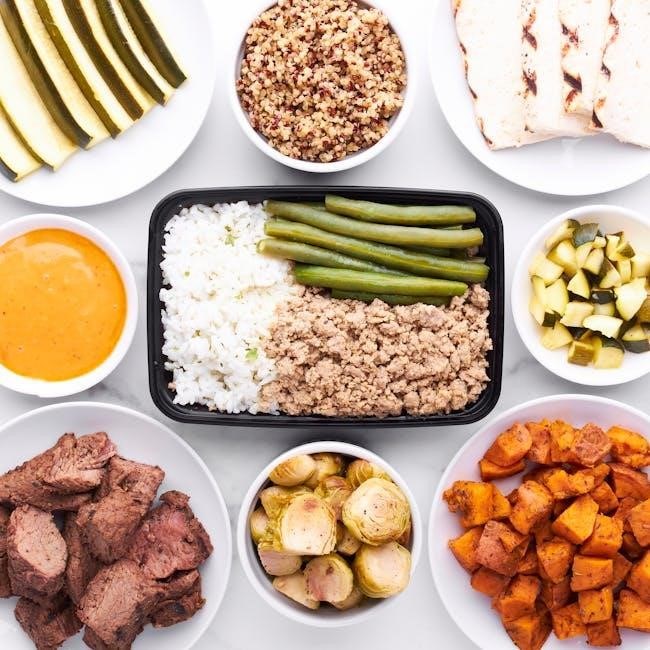
Healthy fats, limited to a tablespoon of olive oil or avocado, are crucial. Hydration is paramount – aim for at least 8 glasses of water daily. Sample meals include a small protein shake with berries, a grilled fish salad, or a vegetable soup. PDFs emphasize portion control and mindful eating during this restrictive phase, preparing the body for subsequent dietary adjustments.
Day 4-7: Gradual Increase in Calorie Intake
Semaglutide meal plan PDFs typically outline a gradual calorie increase from day four, building upon the initial VLCD. Incrementally add 100-200 calories daily, reaching approximately 1200-1500 calories by day seven. Continue prioritizing protein (60-70g per meal) and non-starchy vegetables, but introduce small portions of complex carbohydrates like quinoa or sweet potatoes.
Healthy fats remain essential, and PDFs suggest incorporating sources like nuts and seeds. Monitor hunger cues closely; semaglutide continues to suppress appetite. This phase focuses on establishing sustainable eating habits. Sample meals include a chicken and quinoa bowl, a salmon salad with avocado, or a lentil soup with whole-grain bread. Careful tracking, as recommended in PDFs, is key.

Foods to Focus On While on Semaglutide
Semaglutide meal plan PDFs emphasize lean proteins, non-starchy vegetables, and healthy fats to maximize satiety and support weight management effectively.
Prioritizing Protein Sources
A semaglutide meal plan PDF consistently highlights the crucial role of protein in achieving successful weight loss and maintaining muscle mass. Protein promotes increased satiety, helping to manage appetite suppression induced by the medication. Lean protein sources, such as skinless poultry, fish (salmon, tuna, cod), beans, lentils, tofu, and Greek yogurt, should form the cornerstone of each meal.
These options provide essential amino acids without excessive fat content. Aim for approximately 0.8 to 1.2 grams of protein per kilogram of body weight daily, distributed evenly throughout meals. Including protein at every meal helps stabilize blood sugar levels and further contributes to reduced hunger cravings, complementing semaglutide’s effects. Prioritizing protein ensures nutritional adequacy during calorie restriction.
Incorporating Healthy Fats
A well-structured semaglutide meal plan PDF emphasizes the importance of incorporating healthy fats, despite overall calorie control. These fats are vital for hormone production, nutrient absorption, and sustained energy levels. Focus on unsaturated fats found in sources like avocados, olive oil, nuts (almonds, walnuts), seeds (chia, flax), and fatty fish (salmon, mackerel).
Healthy fats contribute to feelings of fullness, aiding in appetite management alongside semaglutide. Limit saturated and trans fats, as they can negatively impact cardiovascular health. Aim for roughly 20-35% of your daily calories from fats, prioritizing quality over quantity. Including a small portion of healthy fats with each meal supports overall well-being during weight loss.
Choosing Complex Carbohydrates
A semaglutide meal plan PDF should prioritize complex carbohydrates over simple sugars. These carbohydrates, found in whole grains (quinoa, brown rice, oats), vegetables (broccoli, spinach, sweet potatoes), and legumes (beans, lentils), provide sustained energy and fiber. Fiber is crucial for digestive health and promotes satiety, complementing semaglutide’s appetite-suppressing effects.
Complex carbohydrates have a slower impact on blood sugar levels compared to refined carbs, preventing energy crashes and cravings. Portion control remains essential, even with healthy choices. A typical meal plan PDF will suggest limiting carbohydrate intake to around 40-50% of daily calories, adjusting based on individual needs and activity levels. Focus on nutrient-dense options for optimal results.

Foods to Limit or Avoid
Semaglutide meal plan PDFs emphasize minimizing processed foods, sugary drinks, and excessive fats, as these can hinder weight loss and potentially exacerbate side effects.
Processed Foods and Sugary Drinks
Semaglutide meal plan PDFs consistently highlight the critical need to drastically reduce or eliminate processed foods and sugary beverages from your diet. These items often contain hidden sugars, unhealthy fats, and excessive sodium, all of which can counteract the medication’s effects and impede weight loss progress.
Highly processed foods, like fast food, packaged snacks, and pre-made meals, tend to be calorie-dense yet nutrient-poor, offering little satiety. Sugary drinks – sodas, juices, sweetened teas – provide empty calories and can lead to blood sugar spikes and crashes, potentially increasing hunger and cravings.
A successful semaglutide journey prioritizes whole, unprocessed foods. Opt for water, unsweetened tea, or sparkling water instead of sugary alternatives, and focus on preparing meals from scratch using fresh ingredients. This approach supports the medication’s ability to regulate appetite and promote healthy weight management.
High-Fat Foods
Semaglutide meal plan PDFs frequently emphasize moderation, and often reduction, of high-fat food intake, particularly saturated and trans fats. While healthy fats are essential, excessive fat consumption can lead to digestive discomfort, a common side effect experienced by some individuals taking semaglutide.
Foods like fried items, fatty cuts of meat, full-fat dairy products, and heavily processed snacks should be limited. These foods are calorie-dense and can slow down gastric emptying, potentially exacerbating nausea or bloating.
Instead, focus on incorporating lean protein sources, complex carbohydrates, and healthy fats from sources like avocados, nuts, seeds, and olive oil. A balanced approach, guided by a semaglutide-specific meal plan, will optimize results and minimize potential adverse effects;

Semaglutide and Potential Side Effects: Dietary Management
Semaglutide meal plan PDFs detail strategies for mitigating side effects like nausea; hydration and easily digestible foods are key to comfortable adaptation.
Managing Nausea and Digestive Issues
Semaglutide meal plan PDFs often prioritize strategies to minimize common gastrointestinal side effects. Nausea is frequently reported, especially during initial stages, and a carefully constructed diet can significantly alleviate discomfort. These plans emphasize small, frequent meals to avoid overwhelming the digestive system.
Focusing on bland, easily digestible foods – like plain toast, crackers, and cooked vegetables – is crucial. Avoiding high-fat and highly processed items is also recommended. Adequate hydration, detailed within the PDF guides, is paramount; sipping water throughout the day, rather than large volumes at once, can help settle the stomach.
Furthermore, the plans often suggest temporarily reducing fiber intake if experiencing bloating or diarrhea. Listening to your body and adjusting the meal plan based on individual tolerance is key to successful semaglutide use.
Staying Hydrated
Semaglutide meal plan PDFs consistently highlight the critical importance of adequate hydration. The medication can sometimes lead to dehydration due to potential gastrointestinal effects like nausea, vomiting, or diarrhea. Maintaining sufficient fluid intake supports overall well-being and helps mitigate these side effects.
These plans typically recommend aiming for at least eight glasses of water daily, and even more if physically active. Beyond water, unsweetened herbal teas and clear broths contribute to hydration. Avoiding sugary drinks is strongly advised, as they offer minimal hydration benefits and can hinder weight loss efforts.
PDF resources often include tips for making hydration more appealing, such as infusing water with fruits or vegetables. Consistent hydration is a cornerstone of a comfortable and effective semaglutide journey.

Natural Semaglutide Alternatives & Supplements
While PDFs detail semaglutide meal plans, exploring natural appetite suppressants and peptides may offer complementary weight management strategies for some individuals.
Exploring Potential Natural Appetite Suppressants
Though semaglutide meal plan PDFs provide structured dietary guidance, many individuals concurrently investigate natural alternatives to manage appetite. Several compounds are touted for their potential to curb hunger and support weight loss efforts. These include fiber-rich foods like glucomannan, which expands in the stomach promoting fullness, and green tea extract, containing compounds believed to boost metabolism and reduce cravings.
Other options often discussed are 5-HTP, a precursor to serotonin which can influence appetite, and certain herbal remedies. However, it’s crucial to remember that the efficacy of these natural suppressants varies significantly, and scientific evidence supporting their claims is often limited. Always consult a healthcare professional before incorporating any new supplement into your regimen, especially while following a specific meal plan like those designed for semaglutide use.
The Role of Peptides in Weight Management
While a semaglutide meal plan PDF focuses on dietary adjustments, understanding the underlying mechanisms of action – involving peptides – provides valuable context. Semaglutide itself is a peptide, specifically a GLP-1 receptor agonist, mimicking a naturally occurring hormone that regulates appetite and glucose levels. This highlights the broader potential of peptides in weight management.
Researchers are actively exploring other peptides beyond GLP-1s, investigating their effects on metabolism, fat storage, and satiety. These compounds, built from amino acids, offer targeted approaches to address various aspects of weight control. However, the field is still evolving, and many peptide therapies are under investigation. It’s essential to rely on evidence-based strategies, like a well-structured meal plan, and consult with a healthcare professional regarding peptide-based interventions.